

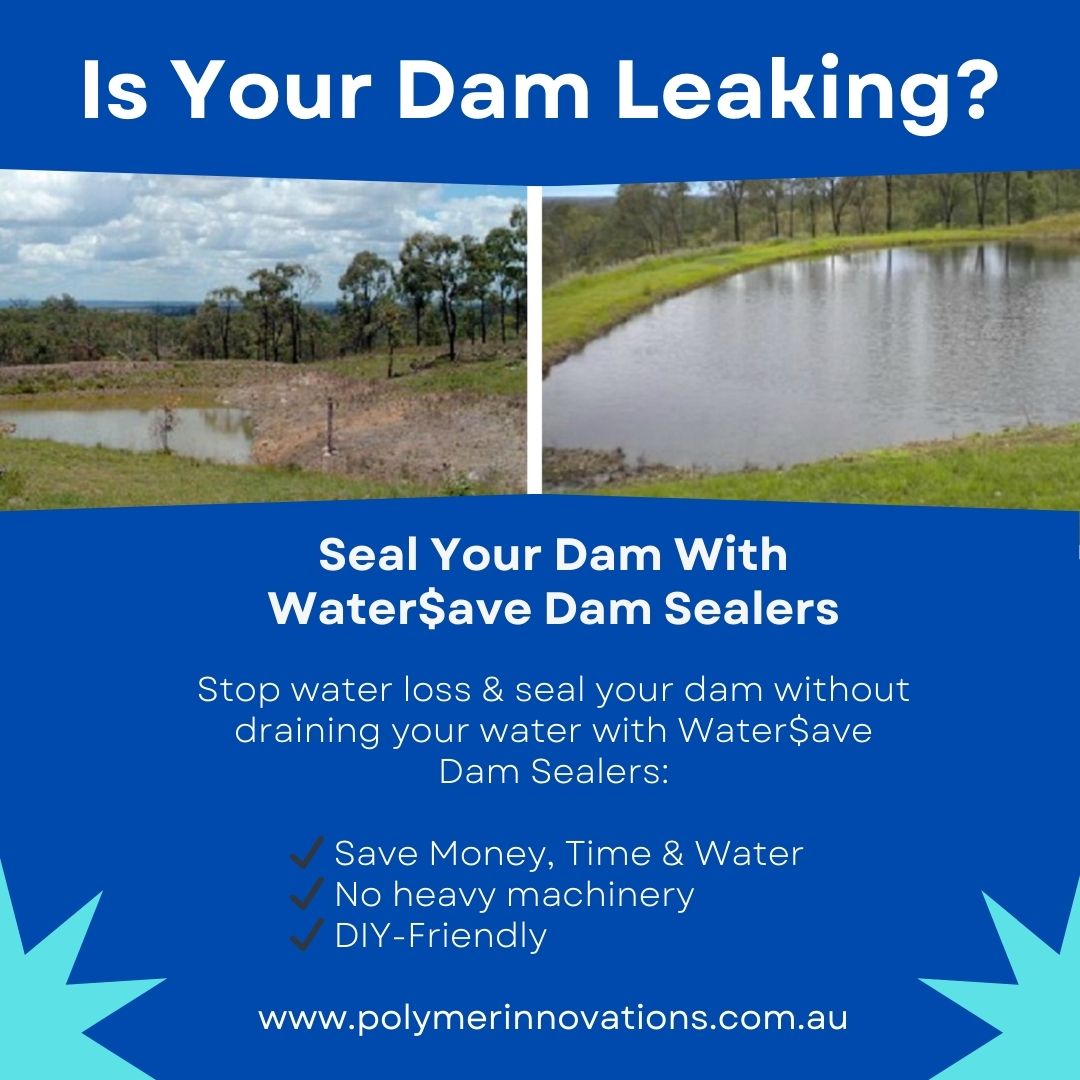
Sealing a leaking dam isn’t just about choosing the right product, timing matters. Applying a dam sealer at the wrong stage in your dam’s water cycle can reduce its effectiveness & lead to frustration. So, when should you act? This blog breaks down the best time of year & best dam conditions to apply Water$ave Plug or Water$ave Seep, helping you make the most of your application & protect your water storage heading into drier months.
Understanding Water$ave's Sealing Method
Before discussing timing, it’s important to understand how Water$ave Dam Sealers work.
Unlike liners or excavation-based methods, Water$ave Dam Sealers are designed for surface application. Once broadcast onto the dam, Water$ave sinks & is drawn into leaking areas by water movement. There, it will absorb moisture & expand into a flexible, water-blocking gel, sealing leaks from within the soil structure. This sealing action relies on the presence of water, making the timing of application critical.
Why Late Winter to Early Spring Is Ideal
In most parts of Australia, the best time to apply Water$ave Dam Sealer is during late winter to spring when:
- Dams have recovered from summer drawdown
- Soil moisture is high, but evaporation is still low
- Rainfall & catchment inflows help maintain consistent water levels
- There’s enough depth for polymers to migrate effectively
Applying in spring also means your dam will be better sealed & ready to retain full capacity during peak summer use.
What to Avoid
While Water$ave can be applied year-round, avoid application:
- During heavy inflow events - product may be diluted or pushed away
- In shallow dams with under 30cm of water - insufficient pressure for sealing
- During windy or stormy weather - uneven product distribution
- When the dam is completely dry - a small amount of standing water is needed for polymer activation (Dry application is possible but a different application method is required)
If your dam is dry but you suspect leakage contact our team of Dam Experts who can discuss treatment options, such as a dry application.
What If Your Dam Is Still Full?
You don’t have to wait for water loss to become obvious. Many customers choose to apply preventative sealing during mid-to-late winter to protect against leaks developing over the warmer months, when soils shrink & evaporation rises. Applying Water$ave Seep in advance, particularly around known seepage zones, can be a smart way to preserve water heading into drier conditions.
Seasonal Product Tips
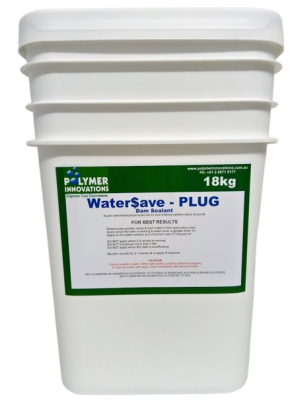
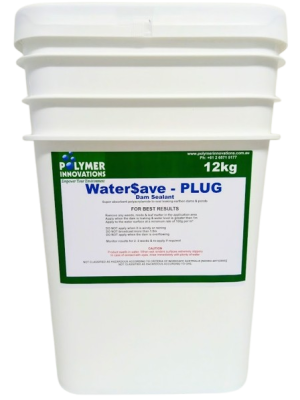
- Water$ave Plug is best applied when the leak is fast & the base is visibly wet or seeping. It's ideal after rain or recharge events.
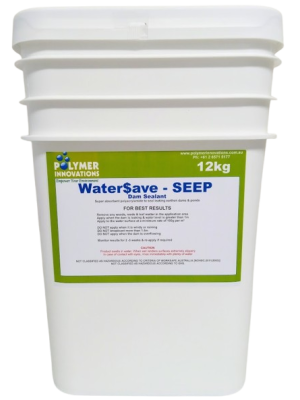
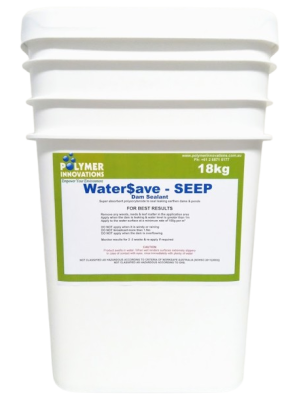
- Water$ave Seep works well during stable conditions with slow leaks or wall seepage; common in early spring when dams are holding but not overflowing.
Ready to Apply? Get Expert Advice First
If you're unsure whether your current water level, soil type, or leak behaviour is suitable for application, Polymer Innovations offers free dam assessments. Submit your dam details & we’ll advise the best time & method to apply Water$ave for your location & conditions.
Don’t Let Another Season Pass With a Leaking Dam
The longer a dam leaks, the more water & money goes to waste. By applying Water$ave at the right time, you can maximise sealing efficiency, reduce the need for re-application & extend your water storage well into the dry season.
Visit www.polymerinnovations.com.au to learn more or request a quote. For personalised advice, contact our Dam Experts today on +61 2 6571 5177.
Seal smart. Seal seasonal. Water$ave it.

Comments