

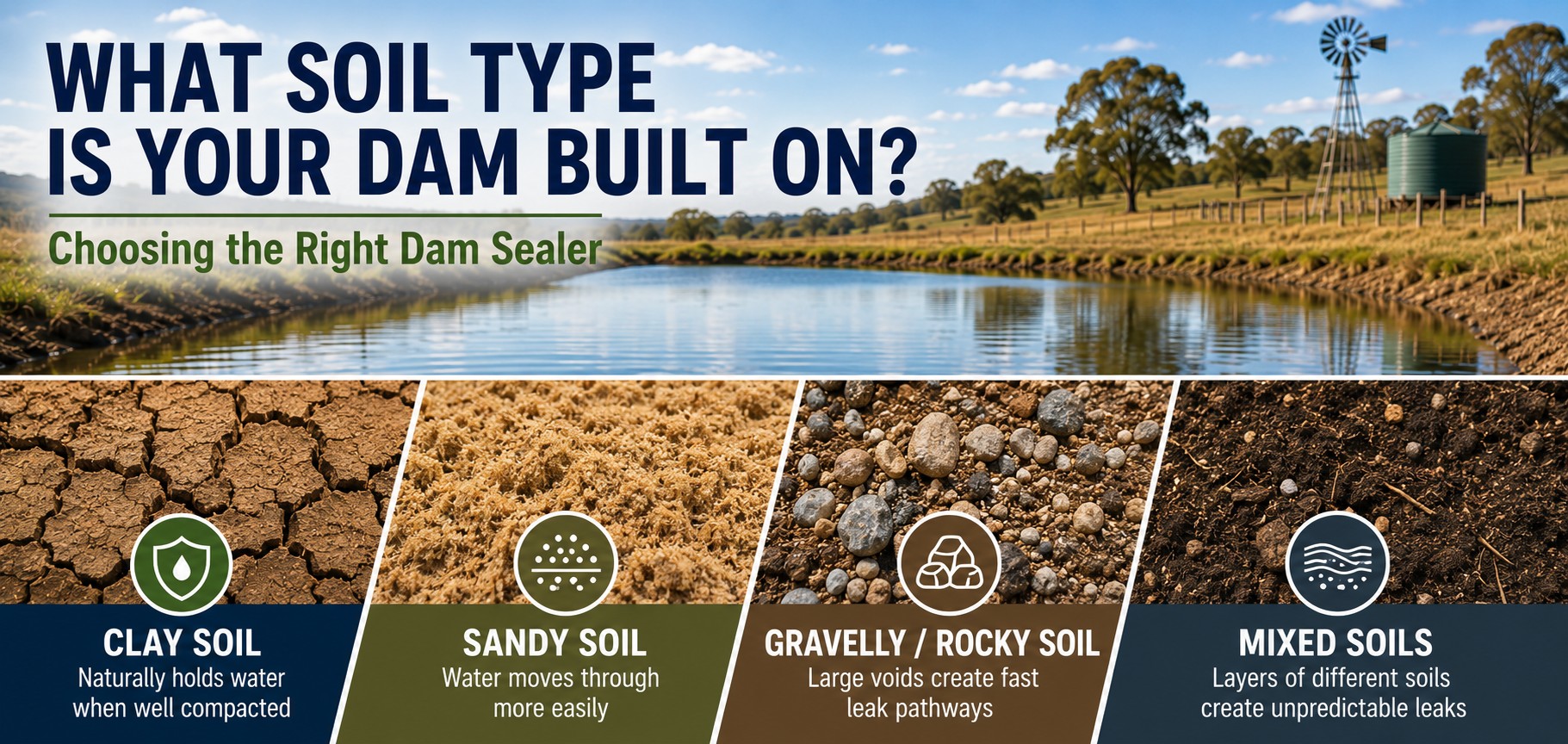
When an earth dam begins losing water, many landholders immediately assume there's a crack or hole causing the problem. While structural damage can certainly lead to leaks, one of the biggest factors affecting how well a dam holds water is something that often goes unnoticed, the soil it was built from. Every soil type behaves differently. Some naturally retain water, while others allow it to move through the ground with ease. Understanding your dam's soil type is one of the most important steps in identifying the cause of a leak & selecting the most effective repair method. Fortunately, you don't need to be a soil scientist to understand the basics.
Why Soil Type Matters
An earth dam relies on compacted soil to create a barrier that prevents water from escaping. If that soil contains too many large particles or wasn't compacted correctly during construction, water will eventually find pathways through the dam. Even well-built dams can begin leaking over time as weather, livestock, tree roots & burrowing animals gradually alter the soil structure. Choosing the correct repair product starts with understanding how your soil behaves.
Clay Soils
Clay soils contain extremely fine particles that compact tightly together, making them excellent at holding water. Properly constructed clay dams generally have fewer leakage problems than dams built from coarser materials, but clay is not immune to damage. During prolonged dry weather, clay shrinks & cracks. When heavy rain refills the dam, water enters these cracks & gradually enlarges them. Repeated wet & dry cycles can eventually create significant leak pathways. Clay dams may also develop leaks through animal burrows, tree roots or natural settling over time.
Sandy Soils
Sandy soils consist of much larger particles with greater space between them. Water can move through these gaps far more easily than through clay. Dams built in sandy soils often experience slow, persistent seepage rather than sudden large leaks. While this water loss may appear minor at first, it can become substantial over weeks & months.
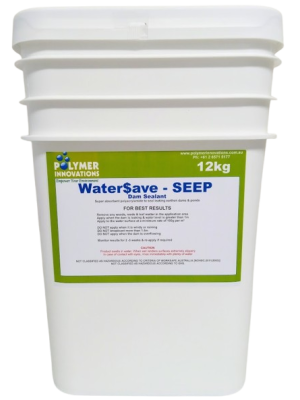
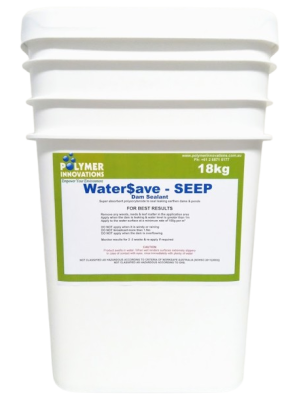
When trying to seal a dam with these issues Water$ave Seep is typically used. It has been developed to target fine soils & slower seepage pathways.
Gravelly or Rocky Soils
Coarse soils containing gravel, rock or fractured material present one of the greatest challenges for earth dams. The larger voids between particles create natural channels for water movement. If the leak develops through the base of the dam, water loss can become rapid.
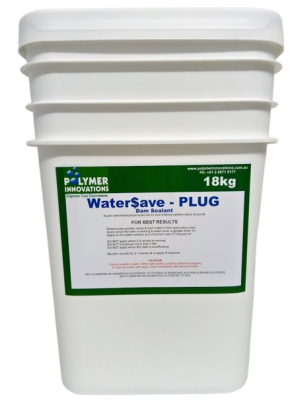
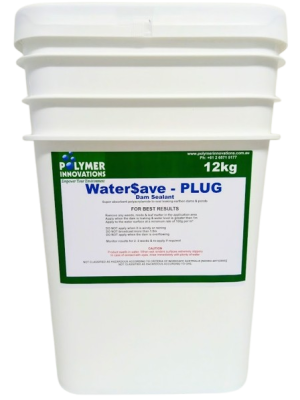
Sealing your dam under these conditions can be difficult but this is where Water$ave Plug performs best. Its larger polymer granules are designed to move into bigger voids & seal substantial leak pathways created by coarse soils.
Mixed Soils
Many Australian farm dams aren't built from a single soil type. It's common for a dam to contain layers of clay, sand, gravel & imported fill. These mixed conditions often produce unpredictable leakage patterns. Water may move freely through one section while another remains completely watertight. This is why two dams built beside each other can behave very differently despite appearing identical from the surface.
How Can You Identify Your Soil?
You don't always need specialised equipment to gain a reasonable understanding of your dam's soil. Consider:
- What type of material was exposed during construction?
- Does the soil feel smooth & sticky when wet?
- Does it crumble easily when dry?
- Are stones or gravel visible around the dam?
- Has the property naturally sandy or clay-based ground?
If you're unsure, photographs of the dam wall, spillway & surrounding soil can often help identify the likely soil type.
Why Soil Type Helps Choose the Right Dam Sealer
Water$ave Dam Sealers are available in two formulations because different leak conditions require different polymer sizes.
Water$ave Plug is designed for:
- Coarse or rocky soils
- Fast leaks
- Leaks from the dam base
- Water loss greater than 150mm per week
- Visible water flowing outside the dam
Its larger particles quickly settle into larger cracks & voids, creating a flexible internal seal.
Water$ave Seep is recommended for:
- Sandy or fine soils
- Slow seepage
- Leaks through dam walls
- Wet patches without flowing water
- Water loss less than 150mm per week
Its finer particles remain suspended longer, allowing them to penetrate smaller leak pathways before expanding.
Selecting the right product significantly improves sealing performance & helps achieve faster results.
Soil Isn't the Only Cause of Leaks
While soil type is critical, it isn't the only factor affecting dam performance. Leaks may also develop because of:
- Poor compaction during construction
- Tree root penetration
- Burrowing animals
- Dry weather cracking
- Erosion
- Ageing dam walls
- Fluctuating water levels
Often, several of these factors combine to create a leak.
Need Help Identifying Your Dam?
Many landholders aren't certain what soil type they have & that's perfectly normal. The team at Polymer Innovations has helped Australian farmers, councils & rural landholders repair leaking dams for more than 20 years. Simply provide a few photos, provide a few dam details & Dam Experts can recommend the most suitable Water$ave Dam Sealer for you.
Whether your dam is built on clay, sand, gravel or mixed soils, there's a Water$ave solution designed to help keep your water where it belongs. Don't let the wrong soil type cost you valuable water. Identify the cause, choose the right Water$ave Dam Sealer & restore your dam's performance with a simple DIY solution.

Comments