

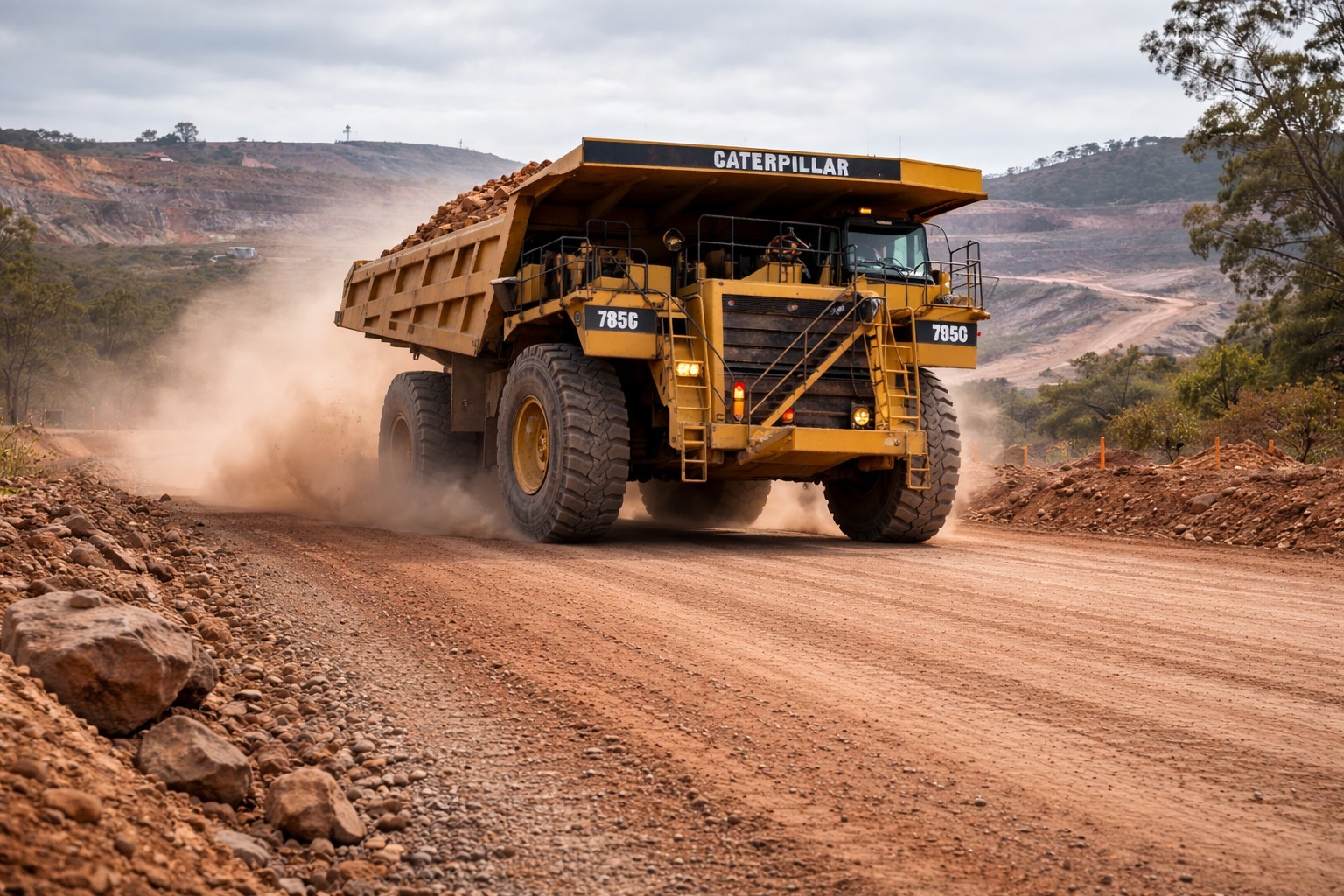
In modern mining operations, dust suppression is an engineering function rather than a surface-level housekeeping task. Haul roads, ROM pads, overburden dumps and high-traffic access routes are dynamic systems subjected to heavy axle loads, cyclic shear stress, vibration & rapid moisture loss. For procurement managers & site engineers, the objective is not simply to suppress visible dust, but to implement a control strategy that improves operational efficiency, reduces lifecycle cost & supports compliance requirements.
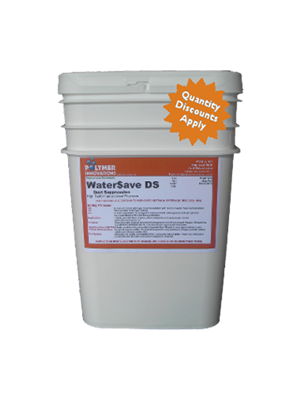
Water$ave Dust Suppression (DS) has been developed to address these performance variables at a soil-structure level, providing measurable improvements in surface cohesion, moisture retention & road durability across demanding Australian mining environments.
Understanding the Failure Mechanism in Haul Roads
Unsealed mine haul roads rely on a balanced distribution of aggregate and fines to maintain strength & surface integrity. Under continuous heavy haulage traffic, fine particles migrate upward through the wearing course. When exposed to dry, high-temperature conditions, these fines rapidly lose moisture & become susceptible to wind entrainment & vehicle-induced lift-off. As fines are lost from the matrix, the road surface begins to degrade. Reduced inter-particle cohesion leads to increased rolling resistance, surface corrugation & accelerated maintenance cycles. Dust generation becomes both a visibility hazard & an indicator of structural instability within the road surface. Water-only suppression strategies provide temporary surface wetting, but they do not address particle bonding or stabilisation. Once evaporation occurs, the underlying instability remains.
Polymer-Based Stabilisation: Mechanism of Action
Water$ave DS is a lineal anionic polyacrylamide polymer designed to enhance soil particle interaction. When introduced through standard water cart systems, the polymer disperses across the road surface & into the upper soil profile. The stabilised surface retains moisture for longer periods, reducing evaporation-driven dust release & improving resistance to mechanical disturbance under heavy haul truck loading. Unlike salt-based suppressants, Water$ave DS does not introduce salinity or corrosion risks to haul trucks, spray equipment or fixed infrastructure.
Performance Under Heavy Load Conditions
Mining haul trucks generate significant dynamic stress across road surfaces. Repeated high axle loads cause shear displacement within the top layer of the road profile. In untreated conditions, this stress loosens fine material, leading to progressive surface breakdown. With Water$ave DS incorporated into the suppression program, the improved cohesion within the soil matrix enhances resistance to shear forces. Fine particle migration is reduced & the wearing course maintains its integrity for extended intervals. This translates directly into fewer grading cycles, reduced blade hours & improved surface smoothness. From a procurement and operational budgeting perspective, the reduction in maintenance frequency & equipment utilisation contributes to measurable cost efficiencies over time.
Water Efficiency & Operational Economics
Water cart operations represent a substantial operational cost in open-cut & large-scale mining environments. Fuel consumption, pump operation, labour & water sourcing all contribute to recurring expenditure. In water-constrained regions, additional regulatory & sustainability pressures apply.
By extending the effective life of each application cycle, Water$ave DS reduces the required frequency of watering. The improved moisture retention within the soil matrix slows evaporation & maintains surface stability longer than water alone. The result is a reduction in total water usage, fewer cart passes per shift & lower diesel consumption.
Health, Safety & Compliance Considerations
Airborne particulate matter presents direct occupational health risks & operational safety concerns. Reduced visibility on haul roads increases collision risk, while prolonged dust exposure can affect worker wellbeing & site compliance performance.
By stabilising fines at the source, Water$ave DS reduces the generation of airborne particulates rather than simply attempting to suppress them temporarily. Improved visibility enhances haul efficiency & traffic safety, while lower dust levels support environmental management objectives & community boundary compliance.
Implementation & Integration
One of the practical advantages of Water$ave DS is its compatibility with existing site infrastructure. The product can be integrated into current water cart systems without the need for specialised capital equipment. Dosing can be adjusted according to soil type, traffic intensity & climatic conditions, allowing site engineers to tailor application rates to performance targets. This flexibility supports staged implementation across large mine footprints & enables contractors operating across multiple projects to maintain consistent dust control standards without complex logistical adjustments.
Dust suppression on mining sites should be approached as an engineered surface management strategy, not a reactive surface treatment. Water$ave DS provides enhanced haul road durability, improved moisture retention & reduces operational inefficiencies associated with frequent watering & maintenance. For procurement managers & engineering teams seeking measurable performance improvements, Water$ave DS offers a technically sound, non-corrosive & environmentally responsible dust suppression solution suited to the demands of modern Australian mining operations.

Comments