

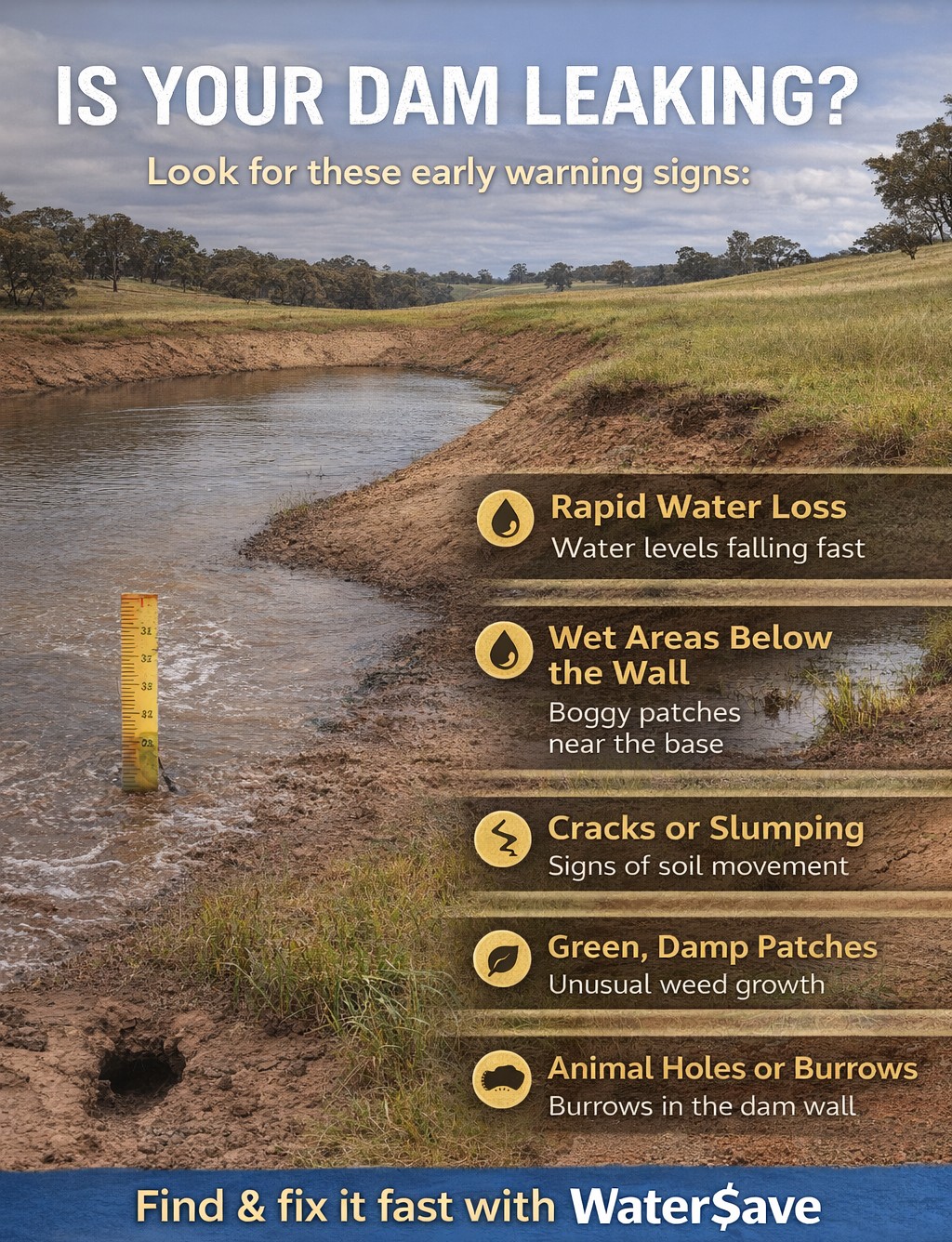
If you’ve noticed your dam or pond isn't holding water like it used to, you’re not alone. Leaking earth-based dams are a common issue for both hobby farmers & large rural properties. But spotting the difference between natural water loss & an actual leak isn’t always straightforward. In this blog, we’ll help you understand the warning signs of dam leaks, the common causes & how to fix them quickly using Water$ave Dam Sealers. No draining your dam or bringing in heavy equipment.
Why Do Earthen Dams Leak?
Earthen dams are built from local soil, even the most well-constructed ones, over time can start to fail. Common causes of leaks include:
- Soil settling or cracking during dry periods
- Animal activity such as wombats, rabbits or yabbies creating tunnels
- Poor soil compaction or unsuitable construction materials
- Tree roots breaking through walls or base layers
- Seepage through porous or sandy soils
Some water loss from evaporation or stock use is normal. But if your dam is consistently dropping more than 150mm per week, especially in cooler conditions, it’s likely you’ve got a leak.
How to Spot a Leak in Your Dam
To detect a dam leak, look for these early warning signs:
1. Rapid Water Loss
Track water levels over 7–10 days. If levels fall significantly without pumping or evaporation, there may be seepage through the base or wall.
2. Wet Patches Below the Wall (Toe Area)
Damp, boggy ground or pooling water downstream of your dam is a strong indicator that water is escaping through the structure.
3. Cracks or Slumping in the Dam Wall
These can signal pressure changes, soil erosion or wall instability, often leading to or resulting from leaks.
4. Unusual Plant Growth or Green Patches
Sudden weed growth or greener areas near the dam base can signal underground seepage feeding plants in places that should be dry.
5. Animal Holes or Burrows
Inspect for signs of digging along the wall or edges. Burrows can quickly become water escape pathways, especially after rain events.
What to Do If You Suspect a Leak
First, confirm that the loss isn’t due to evaporation, usage or recent maintenance. If water is consistently disappearing & your dam shows one or more of the signs above, it's time to act before the problem worsens.
How to Seal a Leaking Dam Without Draining It
Traditional repairs like bentonite or liners require the dam to be emptied, reshaped & sometimes compacted. It’s time-consuming, expensive & disruptive, especially if the dam is actively in use. Water$ave Dam Sealers provide a modern, effective alternative. These dry polymer products are applied directly to the surface of a full or partially full dam. Once in the water, they sink & are drawn into cracks & porous zones, where they expand to form a watertight, flexible seal.
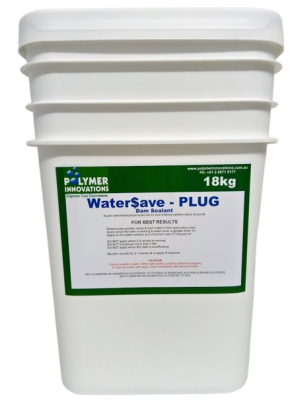
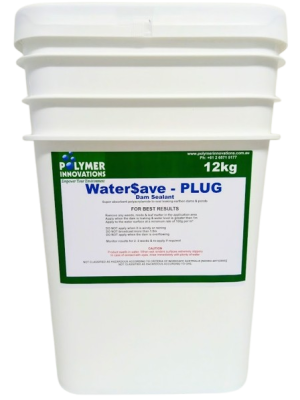
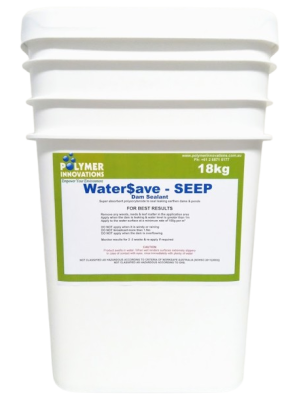
Best for fast leaks, leaking from the base of the dam or coarse soils (e.g. gravel, sandstone, old dam floors)
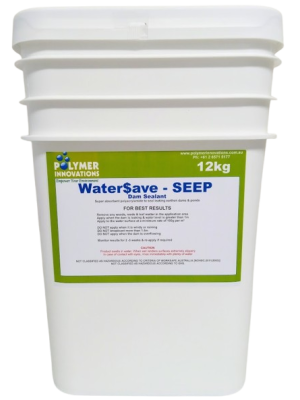
Ideal for slow leaks, wall seepage or fine soils (e.g. loam, sand, silt)
The application process is simple, requires no machinery & can often be done by hand using a scoop or spreader. Most results appear within 7–10 days of application.
A Trusted Solution for Australian Conditions
Water$ave Dam Sealer is non-toxic, livestock safe & has been trusted by Australian farmers, councils & property owners for over 20 years. It’s designed specifically for sealing earth-based dams & ponds in variable soil conditions. Whether you're topping up a small hobby dam or maintaining a key water source for your livestock or crops, Water$ave Dam Sealers offer peace of mind & water security.
Need Help Diagnosing a Leak?
Not sure what’s causing the water loss or which product is right? Contact the team at Polymer Innovations for a FREE dam assessment. We’ll review your soil type, water loss pattern & dam size to help you choose the most effective solution.
Get Started
Visit: https://www.polymerinnovations.com.au/earthen-dam-pond-sealers.html
Call: +61 2 6571 5177
Don’t ignore the signs. Stop the leak before it drains your dam & your productivity. Water$ave it.

Comments