

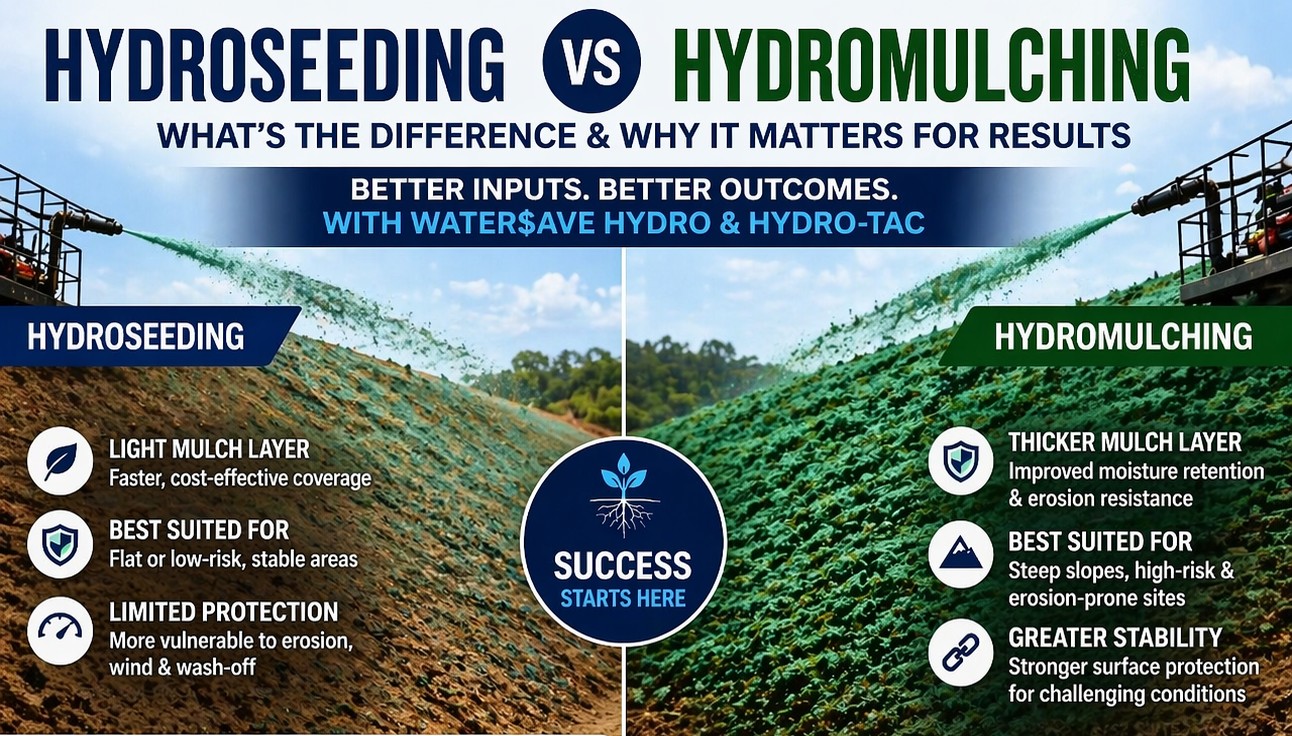
Hydro-seeding & hydro-mulching are often used interchangeably across civil, mining, & environmental projects. While both involve spraying a slurry to establish vegetation, the difference between the two can significantly impact performance, especially on demanding sites. Understanding how each method works is critical, not just for specification, but for achieving consistent, long-term revegetation. More importantly, knowing where they fall short is what drives better outcomes & that’s where advanced polymer additives like Water$ave Hydro & Water$ave Hydro-Tac come into play.
Hydro-seeding: Fast Coverage, Lower Build
Hydro-seeding is typically designed for rapid, cost-effective coverage over large areas. The slurry usually consists of water, seed, fertiliser & a light mulch layer. It’s commonly used on relatively stable ground where erosion risk is lower & access for maintenance or irrigation is available.
The advantage of Hydro-seeding lies in its efficiency. It allows contractors to cover large areas quickly with minimal material input. However, because the mulch layer is lighter, it offers limited protection against environmental stress. In practice, this means Hydro-seeding alone can struggle in conditions where:
- Moisture retention is critical
- Wind exposure is high
- Rainfall events can cause wash-off
- Slopes increase runoff velocity
Without reinforcement, the slurry can dry out or shift before seeds have time to establish.
Hydro-mulching: Higher Protection, Greater Stability
Hydro-mulching builds on the same concept but introduces a heavier mulch component, often including wood fibre or bonded fibre matrices. This creates a thicker layer over the soil surface, improving moisture retention & offering better resistance to erosion. It’s typically specified for more challenging environments such as steep batters, mine rehabilitation areas & infrastructure corridors where soil stability is a concern.
While hydro-mulching delivers improved performance compared to basic Hydro-seeding, it is not immune to failure. Heavy rainfall, poor soil conditions or extended dry periods can still impact results if the slurry lacks internal structure & moisture control.
Where Both Methods Fall Short
Despite their differences, both Hydro-seeding & hydro-mulching rely on the same fundamental principle: the slurry must remain in place & retain enough moisture for seeds to germinate.
Two key failure points consistently affect both methods:
- Loss of moisture in the seed zone, leading to poor germination
- Loss of slurry from the surface, caused by wind, rain or slope movement
These issues don’t come down to the method alone; they come down to what’s missing from the mix.
The Missing Link: Polymer Performance Additives
This is where Water$ave Hydro & Water$ave Hydro-Tac transform both Hydro-seeding & hydro-mulching into high-performance systems.
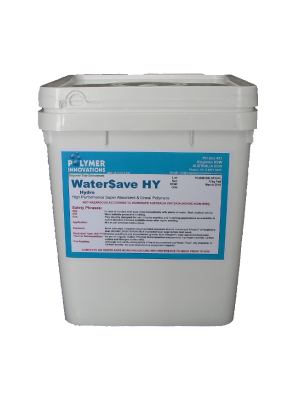
Water$ave Hydro addresses moisture availability at the root level. As a cross-linked super absorbent polymer, it captures & stores water within the soil profile, releasing it gradually over time. This ensures that seeds have consistent access to moisture during germination, even in dry or exposed conditions. The result is more reliable plant establishment, reduced irrigation demand & improved vegetation density across the treated area.
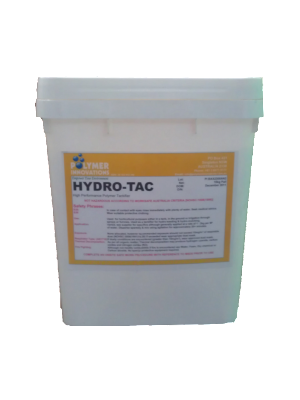
Water$ave Hydro-Tac addresses surface stability. As a linear anionic polyacrylamide tackifier, it increases the binding strength of the slurry, effectively anchoring mulch, seed & fertiliser to the soil. It forms a flexible matrix that resists displacement while still allowing air & water movement.
Choosing the Right Approach
The decision between Hydro-seeding & hydro-mulching should be based on site conditions, not just cost or convenience. Hydro-seeding may be suitable for flat or low-risk areas where environmental stress is minimal. Hydro-mulching is typically preferred for steeper, more exposed, or erosion-prone sites where additional surface protection is required. Regardless of the method selected, the addition of performance polymers is what determines success.
Better Inputs, Better Outcomes
Revegetation is not simply about applying seed, it’s about creating the conditions for that seed to survive, establish & thrive. Without moisture control & slurry stability, even the best-designed projects can fail. By incorporating Water$ave Hydro and Water$ave Hydro-Tac into your Hydro-seeding or Hydro-mulching specification, you:
- Improve moisture retention in the seed zone
- Reduce erosion & slurry loss
- Increase germination consistency
- Minimise rework & maintenance
- Achieve faster, more uniform vegetation coverage
Engineered for Australian Conditions
Both Water$ave Hydro & Hydro-Tac are made in Australia & designed to perform under local environmental pressures; from high UV exposure to variable rainfall & challenging soil profiles.BThey integrate seamlessly into existing Hydro-seeding systems, require no specialised equipment & are trusted across civil, mining & environmental projects nationwide.
Make the Method Work for You
Hydro-seeding & Hydro-mulching are proven techniques but only when supported by the right inputs. If your goal is reliable, repeatable revegetation outcomes, the difference isn’t just in the method you choose. It’s in how you optimise it.
Learn more about Water$ave Hydro & Hydro-Tac or request technical advice for your next project.

Comments