

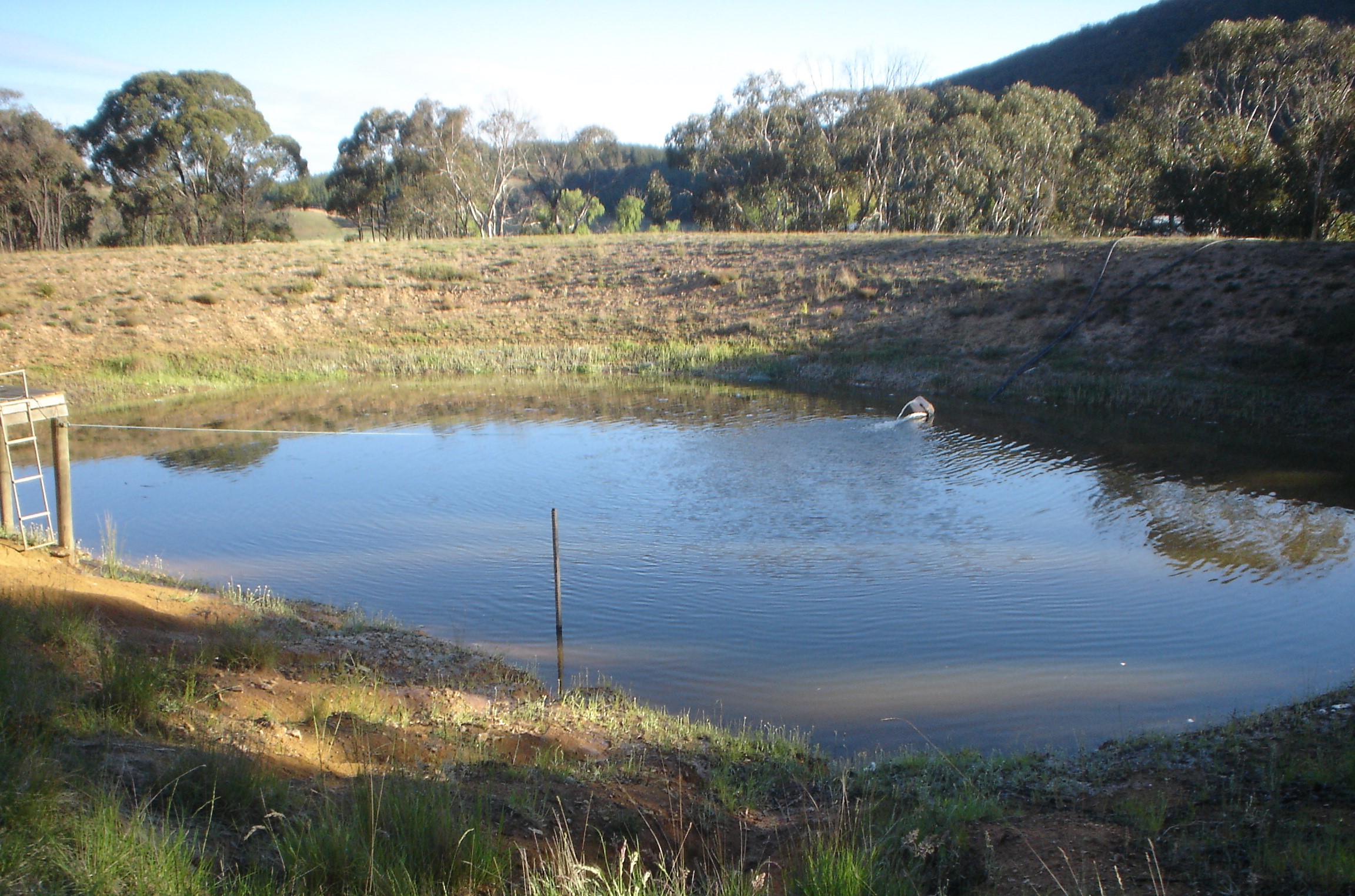
Noticed your dam or pond levels dropping more than expected? It’s a common issue for property owners, but not every drop in water level means there’s a leak. Factors like evaporation, livestock use or seasonal changes can all contribute to water loss, making it important to diagnose the cause before jumping to conclusions.
This blog will help you identify whether your dam is leaking or simply reacting to its environment & show you what to do next if a leak is confirmed.
Understanding Natural Water Loss in Dams
Some water loss is normal, especially during hot, dry or windy conditions. The key is knowing what level of loss is expected & what could indicate a problem. Common non-leak causes of water loss include:
- Evaporation – particularly during summer or dry winds
- Stock access – animals drinking or damaging the wall
- Water usage – irrigation or pumping
- Soil absorption – in newly constructed or filled dams
- Seepage – minor, harmless water movement through soil layers
While these are natural, excessive or unexplained drops in dam level are often a sign that something more serious is happening.
Signs Your Dam Might Be Leaking
It’s not always obvious, but there are consistent signs to look for:
- Rapid Water Level Drop - Water falling by more than 150mm per week, without irrigation or stock use, likely indicates seepage through the base or wall.
- Wet Ground Below the Wall - Constantly soggy soil or small trickles of water downhill from your dam wall are red flags.
- Cracks, Slumping or Animal Burrows - Structural damage to the dam wall or base may allow water to escape. Wildlife or dry shrinkage can all create pathways for leaks to form.
- Lush Vegetation or Weed Growth Outside the Dam - Unusual plant growth near the dam can signal water is leaking underground and feeding root systems.
Soil Type Can Affect Leak Risk
The type of soil your dam is built with plays a big role in a leaks’ behaviour;
- Fine or sandy soils - prone to slow, constant seepage through walls or edges
- Coarse, gravelly, or rocky soils - more likely to produce fast leaks through the base
- Loamy or mixed soils - can develop leaks over time as structure breaks down
Knowing your soil type can help determine not only if you have a leak, but also the best sealing solution.
Confirming a Leak: Simple Checks
If you suspect a leak, try these steps:
- Use a measuring stick to monitor water level changes over 7 days
- Inspect the outer toe of the dam wall for dampness
- Walk the wall for signs of slumping, cracking or tunnels
- Temporarily restrict stock access to reduce surface disturbance
- If possible, fly a drone over your dam to spot unusual vegetation zones
Still unsure? Polymer Innovations offers free dam assessments. You can send in dam details, water loss rates or images & get personalised product recommendations.
How to Fix a Leak Without Draining the Dam
If you’ve confirmed a leak, you don’t need to drain the dam or excavate. Water$ave Dam Sealers are designed for exactly this type of problem & they work with gravity & water pressure to seal from within.
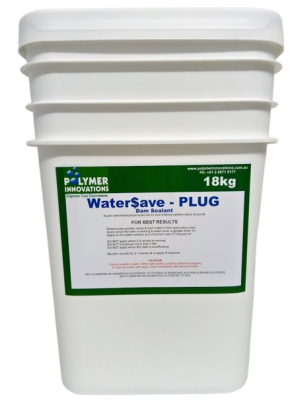
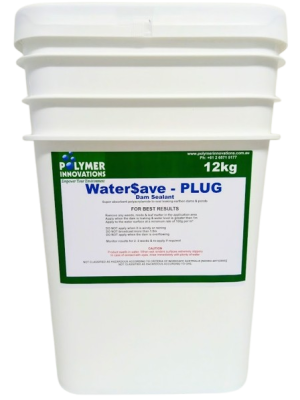
- Water$ave Plug - Best for fast leaks & coarse soils. Larger polymer particles sink quickly & seal leaks in dam bases & deep cracks.
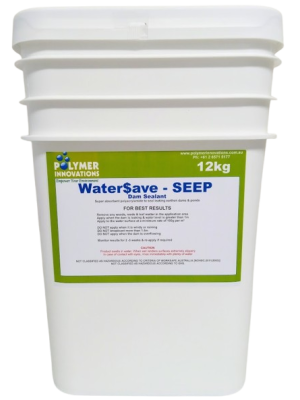
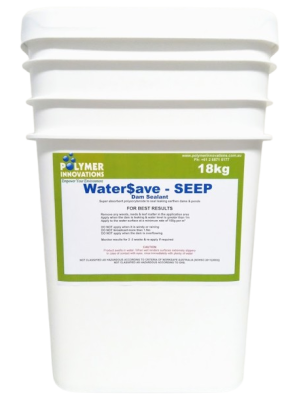
- Water$ave Seep - Ideal for slow leaks, wet patches & finer soils. Stays suspended longer & migrates into small voids or wall seepage paths.
Application is simple: broadcast by hand or spreader over the water surface. No pumps, no machinery & no draining required. Most users see results within 7–10 days.
Don’t Wait for Water Loss to Get Worse
If you’ve seen the signs, don’t delay. Leaks left untreated can cause long-term erosion, reduced capacity or even dam wall failure. Early action with the right product can save thousands of litres of water & thousands of dollars in future repairs.
Need Expert Help?
Polymer Innovations has been helping Australians seal leaking dams for over 20 years. Whether you’re managing a stock dam, pond or large catchment, we can help identify the problem & recommend the best product for your conditions.
Visit our Solutions page to learn more about ourWater$ave Dam Sealers & how they can help you.
Contact us to request a free dam assessment or call us directly on +61 2 6571 5177.
Suspect a leak? Water$ave it before it costs you more.

Comments